Endangered wildlife knows no borders. The Center works to save global biodiversity by using U.S. and international law to hold governments accountable for protecting imperiled species wherever they're found.
ABOUT OUR INTERNATIONAL WORK
The Center protects species as distinct from each other as the giraffe, the emperor penguin and the pangolin in places as far-flung as Ecuador and Tanzania. By using the U.S. legal system and U.S. laws — like the Endangered Species Act — we're working to ensure that U.S. government activities and projects abroad don't hurt imperiled species. We also take action under international wildlife-protection treaties and trade laws to ensure species abroad are given the protection they deserve. With our office in Mexico and our grassroots conservation-group allies abroad, the Center is securing a future for diverse species and habitat around the globe.
HOW WE DO IT
• Petitions and legal action under U.S. and international law
• Global policy advocacy
• Coalition building with local allies
• Creative media
MILESTONES
Our International program has ...
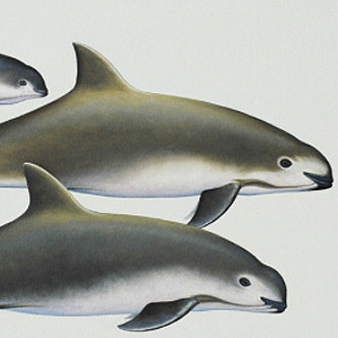
• Secured a seafood import ban to pressure Mexico to save critically endangered vaquita porpoises, with only around 10 individuals remaining.
• Sought protection for leopards, giraffes, pangolins, hippos, corals, fish, birds, butterflies and lizards in trade under the U.S. Endangered Species Act.
• Conducted a four-month undercover investigation into wildlife trafficking in Mexico, showing how imperiled sloths, monkeys, parrots and many other species are openly marketed on social media.
• To reduce trophy hunting in Africa, filed multiple lawsuits to limit U.S. imports of imperiled leopard and elephant trophies.
• Released a groundbreaking report on the threat of zoonotic diseases — like COVID-19 — from U.S. imports of wildlife, including primates, rodents and bats.
• Prompted the first-ever environmental dispute process under the U.S.-Mexico-Canada treaty against Mexico for killing failing to halt illegal fishing killing vaquitas.
• Partnered with the Tohono O'odham Tribe in Mexico to file an endangerment petition for Sonora's El Pinacate and Gran Desierto Biosphere Reserve. A wall in that area would block cross-border migration of endangered species and restrict access for the Tohono O'odham people.
• Secured international protections to limit trade in snapping turtles, giraffes, sea cucumbers, blue ornamental tarantulas, and other imperiled animals.
Check out our press releases to learn more about actions by Center's International program.